
AmCham Qatar Open Letter for Residence-Based Taxation for Americans Abroad
Dear Congress,
As the United States marks the 250th anniversary of the Declaration of Independence this year, the American Chamber of Commerce - Qatar believes it is worth recalling the promise that every citizen is entitled to “life, liberty and the pursuit of happiness.” For Americans living and working abroad, including many contributing every day to the U.S.- Qatar commercial relationship, that promise remains incomplete. Citizenship-based taxation, combined with onerous FATCA and FBAR reporting obligations and severe penalties for even inadvertent non-compliance, places an extraordinary burden on law-abiding Americans overseas.
For too long, American professionals abroad have been trapped by a tax system that no other major economy applies in the same way. Americans living overseas are often subject not only to double taxation, but also to duplicative reporting, intrusive financial disclosure rules, and the constant threat of penalties. These burdens do not merely create paperwork. They limit mobility, disrupt family financial planning, complicate banking access, and discourage talented Americans from accepting roles abroad that would otherwise strengthen U.S. economic and strategic influence.
AmCham Qatar sees these consequences firsthand. Qatar remains an important commercial and strategic partner for the United States, and American companies are active there across sectors that matter deeply to both countries, including energy, aviation, defense, education, healthcare, technology, financial services, logistics, and infrastructure. These industries need to be able to recruit and retain experienced American talent on the ground.
In practice, however, citizenship-based taxation often makes that far more difficult than it should be. An American executive, engineer, educator, or financial professional considering a move to Doha may find that the personal and financial costs of remaining fully compliant with U.S. tax and reporting rules outweigh the benefits of accepting the assignment. Willing employers, in turn, are often forced to offer costly tax equalization or “gross-up” packages to offset U.S. tax exposure and compliance burdens. In competitive markets, that makes American talent more expensive and less attractive than equally qualified professionals from countries with residence-based tax systems—the international norm.
As Qatar continues to pursue economic diversification and development across high-value sectors, American expertise can help deepen commercial ties, support innovation, and reinforce enduring bilateral cooperation. But when Americans decline overseas roles, cut assignments short, or renounce citizenship to escape an unworkable system, the United States loses not just taxpayers, but trusted representatives, business builders, and informal ambassadors.
The combination of citizenship-based taxation with FATCA and FBAR rules also sends the wrong message to Americans who are doing their best to follow the law. Citizens abroad should not be treated as compliance risks simply because they maintain ordinary bank accounts, retirement arrangements, or family financial lives in the countries where they reside. What should be straightforward financial existence abroad too often becomes a source of fear, expense, and uncertainty.
Congress now has an opportunity—and a responsibility—to act with urgency. The sponsors of legislation to move the United States toward residence-based taxation should have the active support of colleagues in both chambers as they work to find a practical and durable solution to the problems facing Americans abroad. Delay only compounds the damage: more careers are disrupted, more families are burdened, more business opportunities are lost, and more Americans are pushed out of jobs abroad for less expensive, international employees.
The only sensible solution is ending double taxation by shifting the United States towards residence-based taxation. Taxing Americans abroad based on where they actually reside and receive public services would reduce unnecessary reporting burdens, restore fairness, and strengthen U.S. competitiveness overseas. Congress should work with urgency to help enact a workable residence-based taxation framework such as Darin LaHood’s Residence-Based Taxation for Americans Abroad Act so that Americans and American companies abroad can live normal lives and compete on fair terms, respectively, without being penalized for representing the United States beyond its borders.
Sincerely,
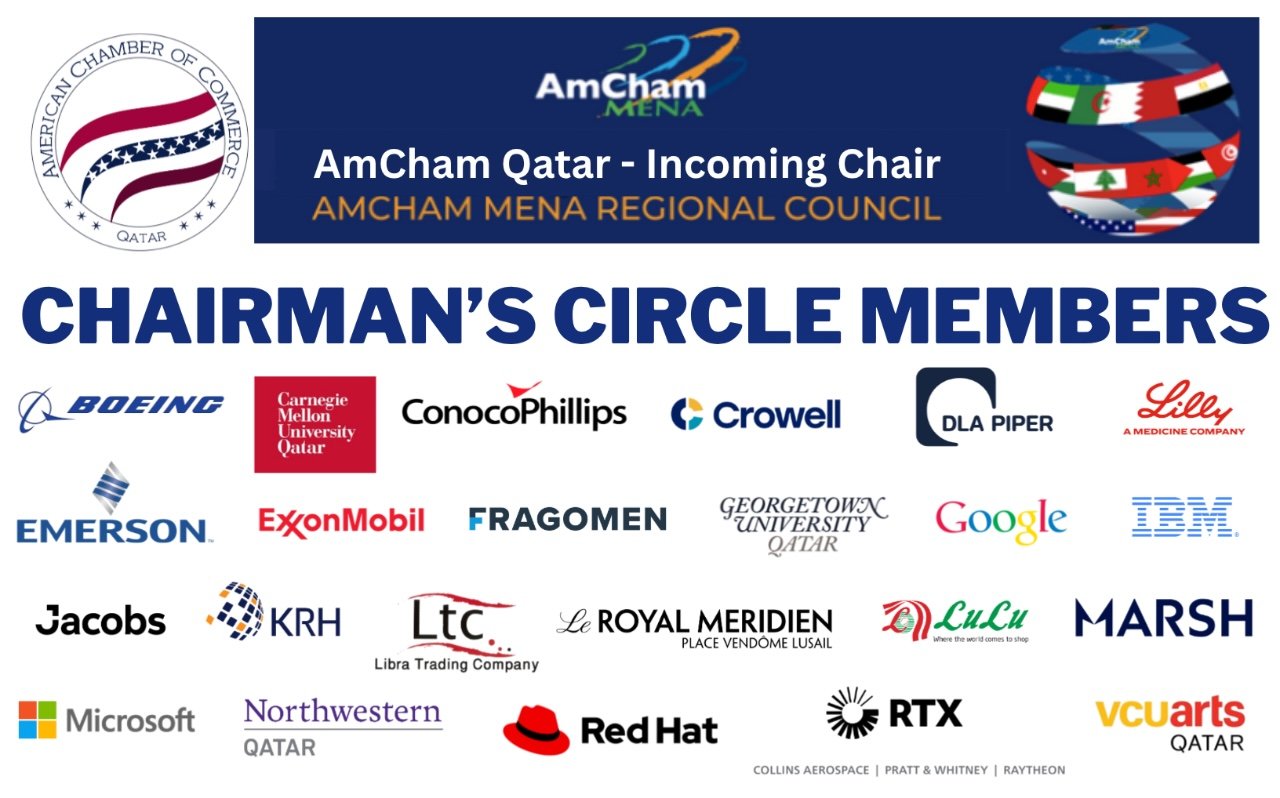
American Chamber of Commerce – Qatar
If you are an American living abroad and also suffer from double taxation, please help us in the fight for residence-based taxation! Share your own story on our Help us page and Donate using the button below! Our campaign is 100% financed by individual donations and every donation brings us one step closer to winning!