U.S. tax rules punish the bridge I built between Ohio and Germany
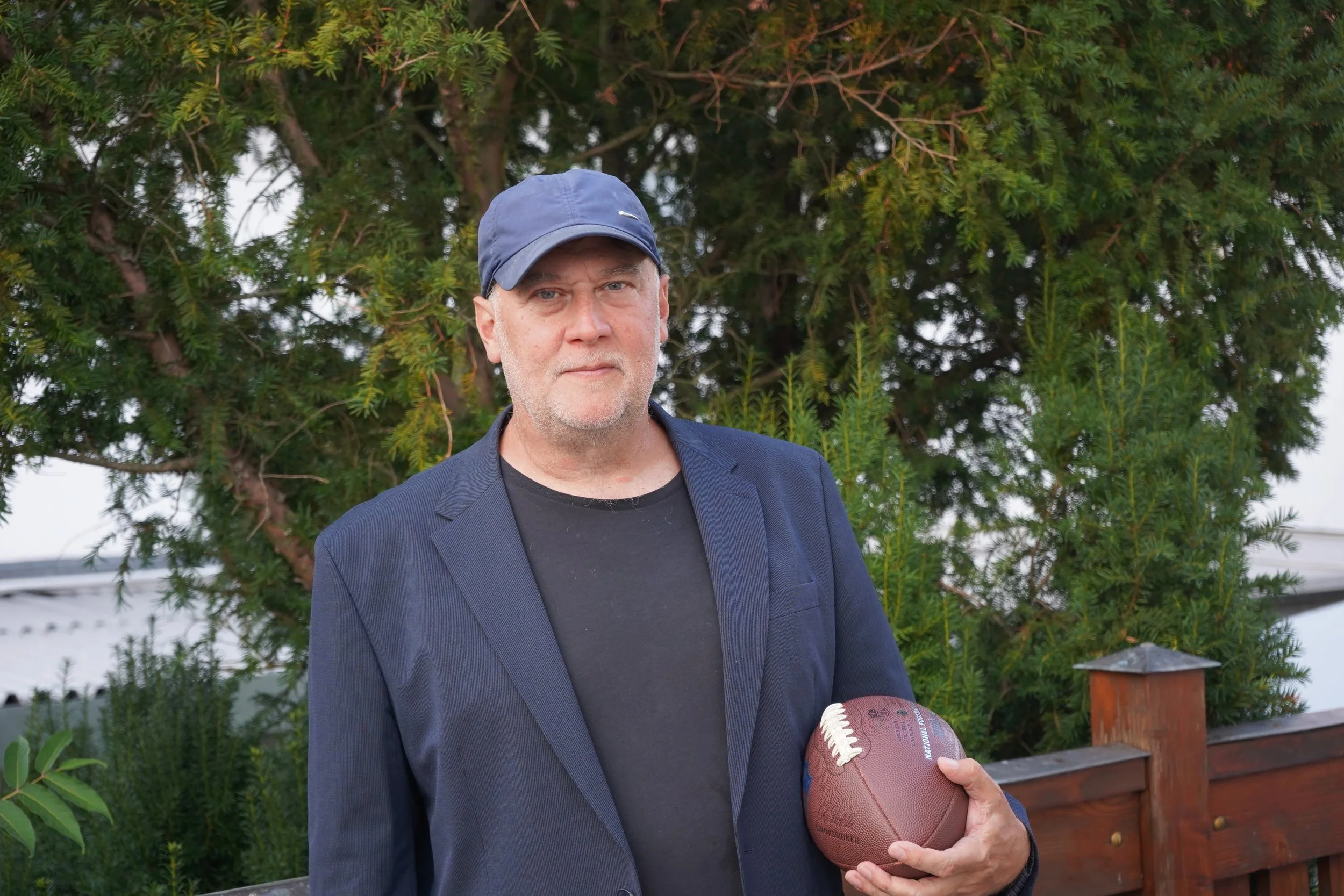
“I did not leave America behind. I carried America with me into Europe — through my work, my language, my family, my investments, my voting, my sons, my business networks, and even American football.“
— Michael Lambertson, an American in Germany
Dear Congress,
I am writing as a U.S. citizen living in Germany, an Ohio-connected voter, a father of two dual U.S.-German sons, and someone who has spent most of his adult life building bridges between the United States and Germany.
In 1990, I came to Germany through the Congress-Bundestag Youth Exchange program. At the time, I even received a congratulatory letter from astronaut and Ohio Senator John Glenn. That moment mattered to me. It represented something deeply American: the belief that young Americans could learn languages, understand other countries, represent the United States abroad, and build lifelong connections across borders.
The life America encouraged
That is exactly what I did.
I learned German to a near-native level. I built my professional life between Germany, Switzerland, Europe, and the United States. I worked internationally with Roche, including travel and cooperation across Europe and the U.S. I invested in both the American and German economies. I built a family in Germany while remaining connected to the United States. When my sons Jonas and Aaron were born in Germany, I reported their births to the United States through the Consular Report of Birth Abroad process because I wanted them to have U.S. citizenship. Today, both of my sons speak, read, and write American English and German.
My bridge-building has not only been professional or financial. It has also been cultural. In Germany, I coach and promote American football among young German athletes. Football is still a relatively small sport here compared with soccer, but I have seen German children develop a real love for the complexity, teamwork, discipline, and strategy of the American game. I have helped carry a piece of American culture into my local German community.
But the current citizenship-based tax system punishes the very international life that earlier generations of American leaders encouraged me to build.
As an American living permanently in Germany, I am already fully subject to German tax rules. Yet I must also navigate a second, overlapping U.S. tax system that treats ordinary German financial life as if it were suspicious or abusive. Normal investment accounts, German business entities, family structures, retirement planning, trusts, and even basic financial planning for my children become complex U.S. compliance problems.
Normal German life, U.S. tax problems
For example, I need specialized professional help from KPMG to prepare U.S. pass-through documentation for my German asset-management company and my German family investment partnership — the Lambertson Vermögensverwaltungs GmbH and the Lambertson Familien KG. These are normal German structures for holding and managing family assets, but because I am a U.S. citizen abroad, they create major annual U.S. reporting obligations, high professional fees, and constant uncertainty.
At the same time, I continue to invest directly in the United States. Through a Florida LLC, I own and operate a short-term rental property in Florida. This is real U.S. economic activity: U.S. property, U.S. service providers, U.S. reporting, U.S. taxes, and U.S. local economic impact. I am not asking to escape U.S. tax on U.S.-source income. I am asking for a residence-based system that allows Americans abroad to remain connected to the United States while living normal financial lives in the countries where they actually reside.
I did not leave America behind. I carried America with me into Europe — through my work, my language, my family, my investments, my voting, my sons, my business networks, and even American football.
But today, citizenship-based taxation, FATCA, FBAR, PFIC rules, and complex foreign-entity reporting make that bridge harder to maintain. These rules do not merely affect wealthy people or tax evaders. They affect ordinary Americans abroad who are trying to remain compliant, raise families, invest responsibly, and preserve their connection to the United States.
Residence-based taxation would not excuse Americans abroad from U.S. tax on U.S.-source income. It would simply recognize reality: Americans who are genuinely tax-resident abroad should be able to live normal financial lives in their country of residence without being trapped in two overlapping tax systems.
I respectfully ask you to support legislative efforts such as Rep. Darin LaHood’s Residence-Based Taxation for Americans Abroad Act to end the double taxation of Americans abroad. The United States should not punish the very citizens who build lasting economic, cultural, and family bridges between America and the rest of the world.
Sincerely,
Michael Lambertson
If you are an American living abroad and also suffer from double taxation, please help us in the fight for residence-based taxation! Share your own story on our Help us page and Donate using the button below! Our campaign is 100% financed by individual donations and every donation brings us one step closer to winning!